
The Wetterhahn Science Symposium celebrates Dartmouth undergraduate science research.
-
In Pursuit of Understanding the Physiological Mechanism of the Tumor Suppressor LactB
2024
Julia Patterson, Sukrut Kamerkar, and Henry Higgs
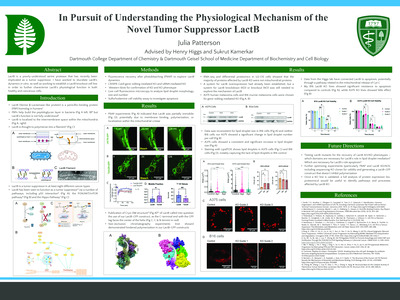
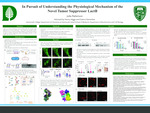
In this poster, I summarize my work exploring the dynamics and cellular function of the novel protein LactB. LactB is a bacterial penicillin-binding protein homolog and mitochondrial serine protease whose function is not fully understood. LactB localizes to the intermembrane space (IMS) of the mitochondria and forms filaments. However, it is unclear where LactB functions within the IMS, or whether it interacts with the mitochondrial membranes. Furthermore, LactB acts as a tumor suppressor in colorectal cancer, hepatocellular carcinoma, glioma, melanoma, gastric cancer, lung cancer, and ovarian cancer. The mechanism for LactB’s tumor suppressor function is debated, though a number of pathways have been proposed.
My research focuses on two subjects: 1) the dynamics of LactB within the IMS via fluorescence recovery after photobleaching and 2) the effects of LactB knockout and knockdown on cellular function by examining lipid droplets and apoptosis. Although I found the LactB-GFP construct I used to have an immobile fraction in the mitochondria, my work with FRAP was discontinued after the publication of LactB’s CryoEM structure revealed structural complications with this construct. Instead, I focused on siRNA knockdown and CRISPR-Cas9 knockout exploring the impact on lipid droplets, spherical organelles important in lipid metabolism and tumorigenesis. I found significant changes in lipid droplet size and number in two melanoma cell lines. I also explored the effects of decreased LactB expression on apoptosis, finding a decrease in apoptosis in one cell lines. My studies raise the important question of the mechanism by which LactB contributes to apoptosis.
-
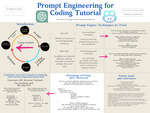
Prompt Engineering for Coding Tutorial
2024
Adwiteeya Rupantee Paul
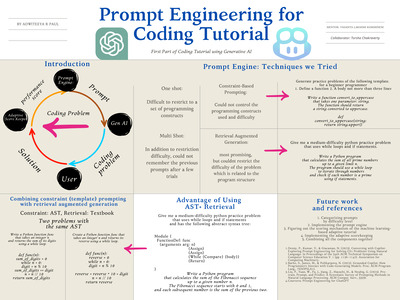
Generative AI tools like ChatGPT, Copilot, and Gemini have become essential to students’ learning in introductory coding classes like CS1. Yet, very little work has been done to create tutorials that utilize the potential of these tools. Traditional coding tutorials are not adaptable to a student’s learning style or understanding of a subject. AI-based tools combined with ma- chine learning algorithms used for adaptive testing can help students by creating a customized environment that adapts to an individual’s performance. The central goal of this project is to create an adaptive coding tutorial that uses generative AI tools to design increasingly challenging problems for a given topic. The tutorial also assists students by creating code samples when they make a mistake while learning.
Internally, the tutorial has two components. The first component communicates with the stu- dent and determines the learning level using adaptive learning algorithms. The second component uses the output of the adaptive learning algorithm to create coding problems suitable for the student’s learning level.
-
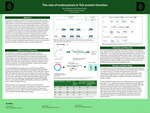
The role of endocytosis in Toll protein function
2024
Nina Devi Prakash, Colleen Moore, and Patrick Dolph
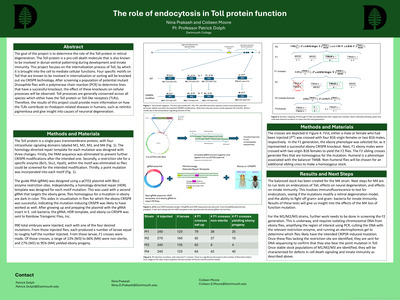
The goal of the project is to determine the role of the Toll protein in retinal degeneration. The Toll protein is a pro-cell death molecule that is also known to be involved in dorsal-ventral patterning during development and innate immunity. This project focuses on the internalization process of Toll, by which it is brought into the cell to mediate cellular functions. Four specific motifs on Toll that are known to be involved in internalization or sorting will be knocked out via CRISPR technology. After screening a population of potential mutant Drosophila flies with a polymerase chain reaction (PCR) to determine lines that have a successful knockout, the effect of these knockouts on cellular processes will be observed. Toll processes are generally conserved across all species which either have the Toll protein or Toll-like receptors (TLRs). Therefore, the results of this project could provide more information on how the TLRs contribute to rhodopsin-related diseases in humans, such as retinitis pigmentosa and give insight into causes of neuronal degeneration.
-
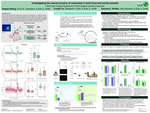
Investigating the neural circuitry of motivation in both food and social rewards
2024
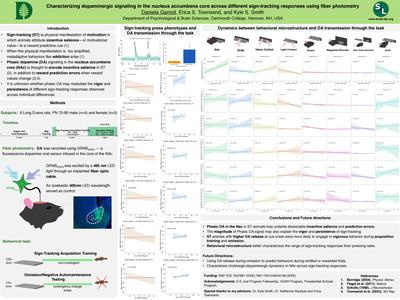
Angela Shang, Erica Townsend, and Kyle Smith
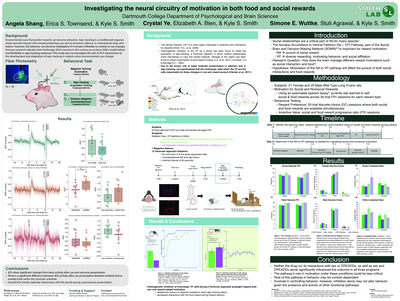
Environmental cues that predict rewards can become attractive. Sign-tracking is a conditioned response where animals interact with reward-predicting cues due to incentive salience, or motivational value attribution. However, this behavior can become maladaptive if it remains inflexible to context or cue changes. Previous research indicates that cholinergic (ACh) neurons in the nucleus accumbens (NAc) enable behavioral flexibility in sign-tracking responses. This study aims to investigate the role of ACh transmission in the development and adaptation of sign-tracking in rodents when environmental cues change.
-
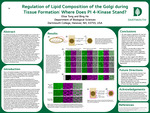
Regulation of Lipid Composition of the Golgi during Tissue Formation: Where Does PI 4-Kinase Stand?
2024
Elise Tong and Bing He
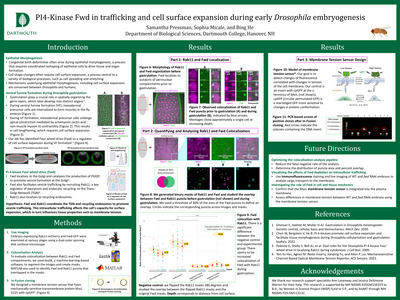
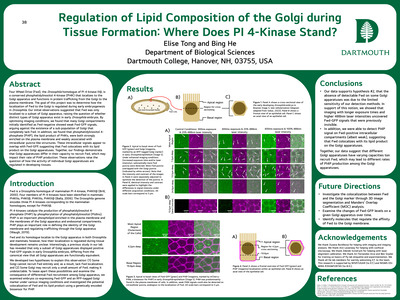
Four Wheel Drive (Fwd), the Drosophila homologue of PI 4-kinase IIIβ, is a conserved phosphatidylinositol 4-kinase (PI4K) that localizes to the Golgi apparatus and functions in protein trafficking from the Golgi to the plasma membrane. The goal of this project was to determine how the localization of Fwd to the Golgi is regulated during early embryogenesis in Drosophila. Our initial observations suggested that Fwd was only localized to a subset of Golgi apparatus, raising the question of whether distinct types of Golgi apparatus exist in early Drosophila embryos. By optimizing imaging conditions, we found that many Golgi compartments initially identified as Fwd-negative showed weak Fwd-GFP signals, arguing against the existence of a sub-population of Golgi that completely lack Fwd. In addition, we found that phosphatidylinositol 4-phosphate (PI4P), the lipid product of PI4Ks, were both strongly enriched on the plasma membrane and weakly associated with intracellular puncta-like structures. These intracellular signals appear to overlap with Fwd-GFP, suggesting that Fwd colocalizes with its lipid product on the Golgi apparatuses. Together, our findings demonstrate that Golgi apparatuses differ in their capacity to recruit Fwd, which may impact their rate of PI4P production. These observations raise the question of how the activity of individual Golgi apparatuses are regulated in developing tissues.
-
Microscopic Analysis of Ancient Food Residues
2024
Marit UyHam, Jiajing Wang, and Yiyi Tang
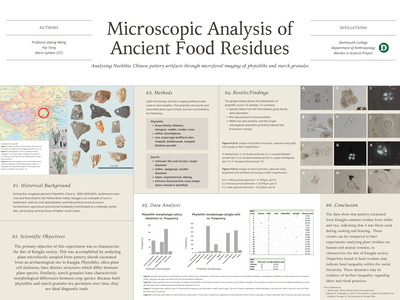
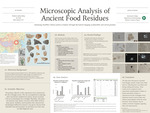
During the Longshan period of Neolithic China (c. 3000-2000 BCE), settlements took root and flourished in the Yellow River Valley. Kangjia is an example of such a settlement, with its craft specialization and hierarchical social structure. Furthermore, agriculture and animal husbandry contributed to a relatively varied diet, particularly among those of higher social status.
The primary objective of this experiment was to characterize the diet of Kangjia society. This was accomplished by analyzing plant microfossils sampled from pottery sherds excavated from an archaeological site in Kangjia. Phytoliths, silica plant cell skeletons, have distinct structures which differ between plant species. Similarly, starch granules have characteristic morphological differences between crop species. Because both phytoliths and starch granules are persistent over time, they are ideal diagnostic tools.
-
Interstellar helium voyages: Modeling and comparing theoretical and observed data
2024
Kendall Yoon and Hans Mueller
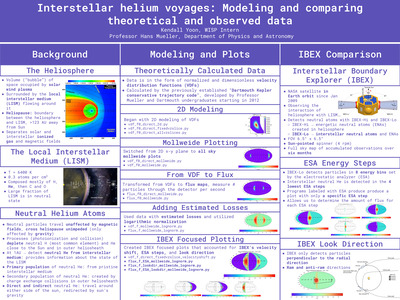
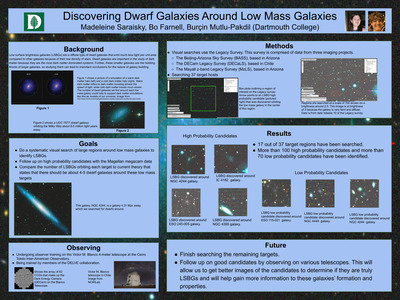
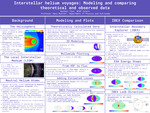
The heliosphere is the volume of space occupied by the solar plasma, surrounded by the local interstellar medium flowing around it. Interstellar neutral atoms, such as helium, can travel from the interstellar medium into the heliosphere unimpeded, affected only by gravity. Therefore, detection of these atoms provides information about the state of the local interstellar medium. This poster details the creation of programs to model the theoretical detection of interstellar neutral helium atoms, 1 AU away from the sun. The final produced plots show the flux of interstellar neutral helium on a mollweide all sky map. These plots were designed to be comparable to data from NASA's IBEX satellite. Analysis of these theoretical plots and IBEX data provides insight into what atoms IBEX is likely missing in its detection.
-
Racial/Ethnic Differences in Psychotic-Like Experiences Among Cannabis Consumers: Exploring Relationships with Cannabis and Mental Health Characteristics
2024
Jean C. Yuan, Cara Struble, and Alan Budney
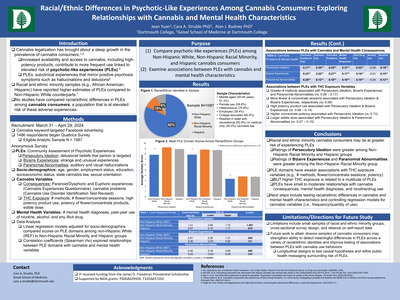
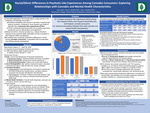
Compare psychotic-like experiences (PLEs) among Non-Hispanic White, Non-Hispanic Racial Minority, and Hispanic cannabis consumers (2) Examine associations between PLEs with cannabis and mental health characteristics
-
Quantifying Synergy and Gender Inequality of Content Creator Collaborations in Video Game Streaming
2024
Mingyue Zha and Ho-Chun Herbert Chang
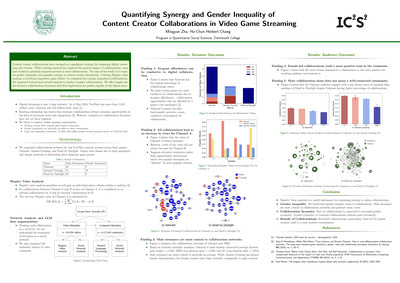
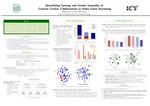
Content creator collaborations have emerged as a significant strategy for enhancing digital viewership and revenue. While existing research has explored the general impact of collaborations, none have looked at potential inequities present in such collaborations. The aim of this study is to examine gender inequality and quantify synergy in content creator interactions. Utilizing Shapley value analysis, a tool from cooperative game theory, we computed the synergy of gendered collaborations. We employed textual and network analysis to further compare collaborations. We offer insight into the streamer collaborations dynamics and their implications for gender equality in the digital space.
-
Tissue-Engineered Delivery of Manuka Honey
2023
Calista Adler, Karina Mitchell, Sreejith Panicker, and Katherine R. Hixon
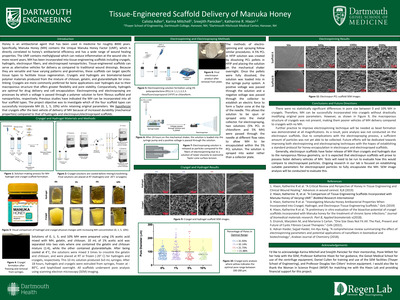
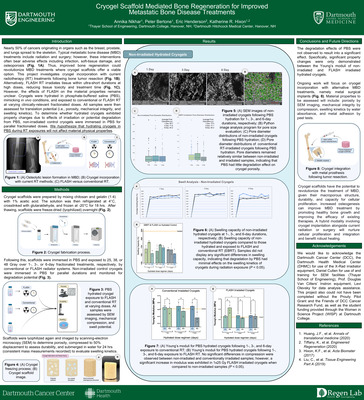
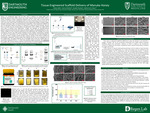
Manuka Honey (MH) contains the Unique Manuka Honey Factor (UMF), which is directly correlated to honey’s antibacterial efficiency and has a wide range of wound healing properties. In more recent years, MH has been incorporated into tissue-engineering scaffolds including cryogels, hydrogels, electrospun fibers, and electrosprayed nanoparticles. Tissue-engineered scaffolds can serve as alternative vehicles for delivery as compared to traditional wound dressings.The project objective was to investigate which of the four scaffold types can successfully incorporate MH (0, 1, 5, 10%) while retaining original parameters. We hypothesize that cryogels offer the best vehicle of delivery of MH because of increased durability (mechanical properties) compared to that of hydrogels and electrospun/electrosprayed scaffolds.
-
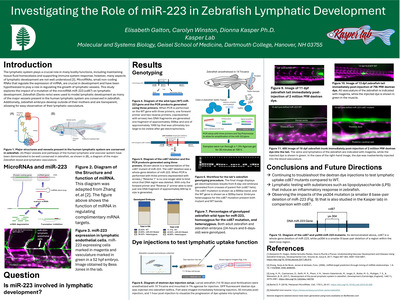
Microglia clearance of single dying oligodendrocytes is mediated by Cx3cr1
2023
Hiba Ali, Genaro E. Olveda, and Robert Hill
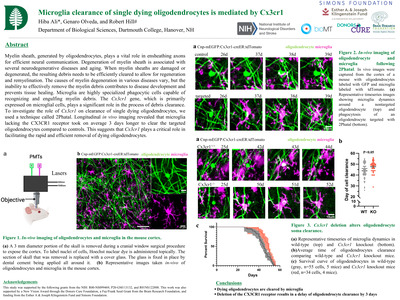
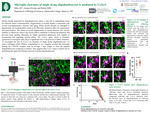
Myelin sheath, generated by oligodendrocytes, plays a vital role in ensheathing axons for efficient neural communication. Degeneration of myelin sheath is associated with several neurodegenerative diseases and aging. When myelin sheaths are damaged or degenerated, the resulting debris needs to be efficiently cleared to allow for regeneration and remyelination. The causes of myelin degeneration in various diseases vary, but the inability to effectively remove the myelin debris contributes to disease development and prevents tissue healing. Microglia are highly specialized phagocytic cells capable of recognizing and engulfing myelin debris. The Cx3cr1 gene, which is primarily expressed on microglial cells, plays a significant role in the process of debris clearance. To investigate the role of Cx3cr1 on clearance of single dying oligodendrocytes, we used a technique called 2Phatal. Longitudinal in vivo imaging revealed that microglia lacking the CX3CR1 receptor took on average 3 days longer to clear the targeted oligodendrocytes compared to controls. This suggests that Cx3cr1 plays a critical role in facilitating the rapid and efficient removal of dying oligodendrocytes.
-
Flicker-induced geometric hallucinations: VEP and plasticity correlates
2023
Grace Beilstein, Peter Tse, Nathan Heller, and Nisha Patel
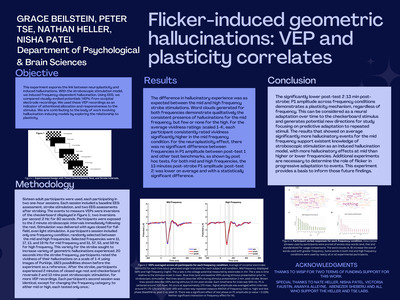
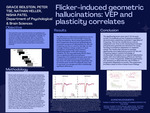
This experiment expores the link between neuroplasticity and induced hallucinations. With the stroboscopic stimulation model, we induced frequency-dependent hallucination. Using EEG, we compared visually-evoked potentials (VEPs) from occipital electrode recordings. We used these VEP recordings as an indicator of attentional allocation and responsiveness to the stimulus. We are contributing to the body of work involving halllucination-inducing models by exploring the relationship to plasticity.
-
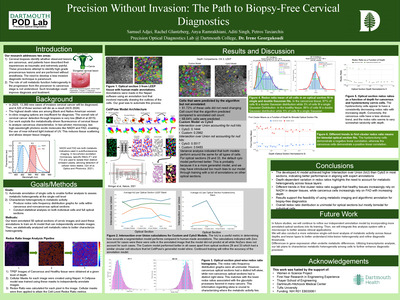
On the origins of crenarchaeol: environmental controls on an enigmatic archaeal lipid in hot springs
2023
Amanda Calhoun, Jerome Blewett, Daniel Colman, Carolynn Harris, Eric Boyd, Ann Pearson, and William Leavitt
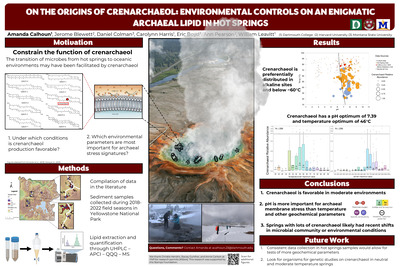
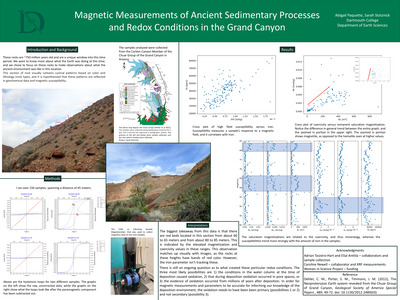
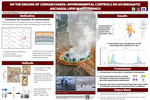
Glycerol dibiphytanyl glycerol tetraethers (GDGTs) are membrane-spanning lipids of archaea that are ubiquitous in hot spring, ocean, lake, and soil environments. These lipids allow for microbial acclimatization to environmental stress and serve as the basis for important paleotemperature proxies. The number of cyclopentyl rings in the core structure of archaeal GDGTs change in response to temperature, pH, and oxidant load in both environmental samples and in cultured marine and acidophilic hot spring strains. Archaea from acidic hot springs can produce GDGT moieties with up to eight cyclopentyl rings (GDGT-0 to -8). Biophysical models show that synthesizing more cyclopentyl rings promotes tighter membrane packing and decreased permeability, enabling archaea to occupy hotter, more acidic, and more oxidizing environments. A unique GDGT found in both marine and hot spring archaea, crenarchaeol, contains four cyclopentyl and one cyclohexyl ring. While the function of this lipid in archaeal membranes is not well understood, it has been proposed that the cyclohexyl ring allowed archaea adapted to acidic, high temperature hot springs to adapt to cooler and circumneutral waters, eventually allowing for diversification into oceanic environments. To improve the understanding of crenarchaeol’s function in membranes, its role in archaeal evolution, and its distribution in the geologic record, we quantify the relationship between pH, temperature, redox, and other parameters with crenarchaeol abundance in the natural thermal springs of Yellowstone National Park, where these parameters vary widely. We evaluate our data in the context of a comprehensive compilation of previously reported GDGT data from hot spring environments, focusing particularly on crenarchaeol, to examine the environmental factors that likely control its distribution. These results shed new light on the role of crenarchaeol in the diversification of archaea into lower temperature, circumneutral environments.
-
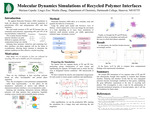
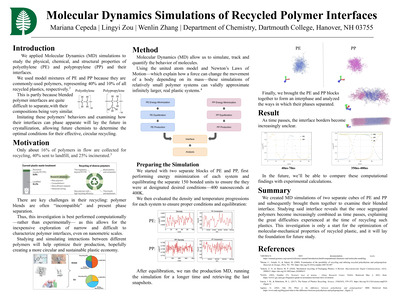
Molecular Dynamics Simulations of Recycled Polymer Interfaces
2023
Mariana I. Cepeda, Lingyi Zou, and Wenlin Zhang
For this project, we carried out large-scale, long-time Molecular Dynamics (MD) united-atom simulations of pure polyethylene and polypropylene, subsequently bringing them together to resemble the blends seen in most recycled plastics. We then observed the phase separation in the melt state and exhibited stable interfaces between the two polymers. The study lays a basic foundation for future study of crystallization and mechanical properties of polyethylene/polypropylene plastic blends.
-
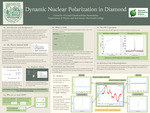
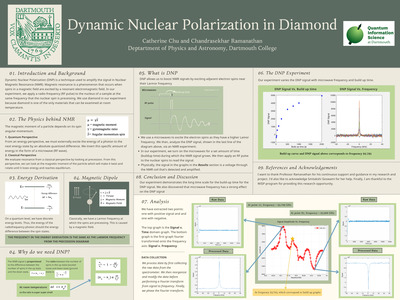
Dynamic Nuclear Polarization in Diamond
2023
Catherine Chu and Chandrasekhar Ramanathan
Dynamic Nuclear Polarization (DNP) is a technique used to amplify the signal in Nuclear Magnetic Resonance (NMR). Magnetic resonance is a phenomenon that occurs when spins in a magnetic field are excited by a resonant electromagnetic field. In our experiment, we apply a radio-frequency (RF pulse) to the nucleus of a sample at the same frequency that the nuclear spin is precessing.
-
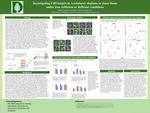
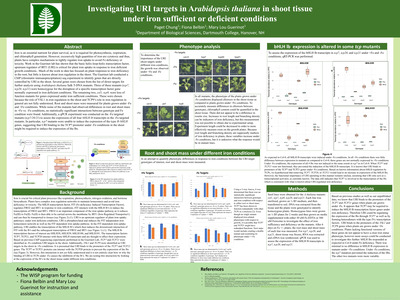
Investigating URI Targets in Arabidopsis Thaliana in Shoot Tissue Under Iron Sufficient or Deficient Conditions
2023
Paget Eleanor Chung, Fiona Belbin, and Mary Lou Guerinot
-

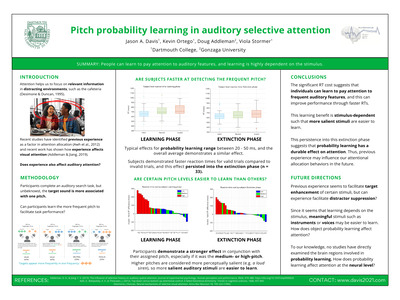
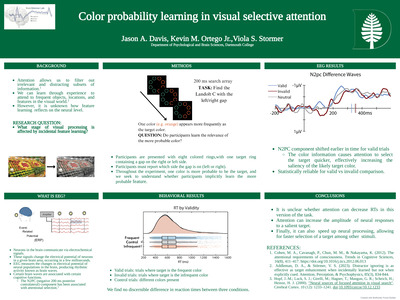
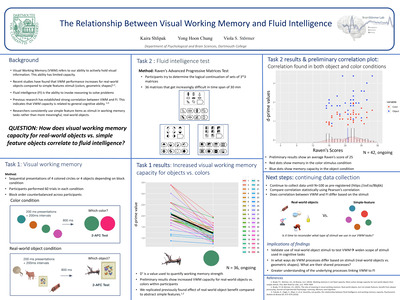
Color probability learning in visual selective attention
2023
Jason A. Davis, Kevin M. Ortego, and Viola S. Storrmer
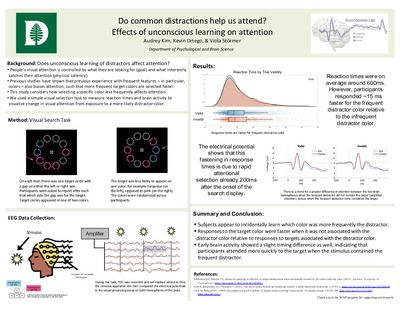
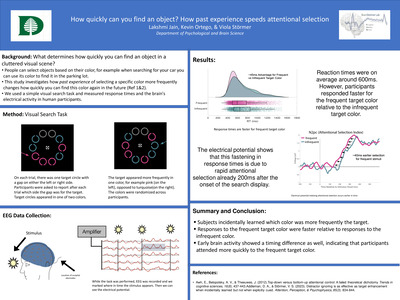
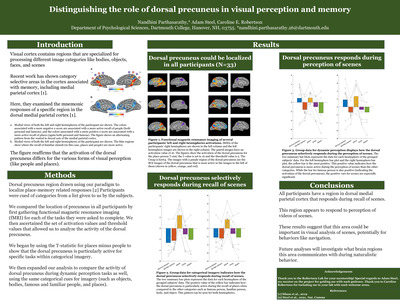
Visual attention research has primarily focused on two sets of factors: bottom-up and top-down factors, whereby data-driven stimulus salience and observer goals and expectations respectively affect how we pay attention. However, recent research has prompted discussion of a third factor known as selection history, whereby one‘s previous experience with a stimulus affects attentional allocation. Here, we discuss how repeated exposure to a particular color facilitates attention allocation in the visual domain, demonstrating an RT advantage for valid trials compared to invalid trials. More interestingly, we find that the N2pc, an index of feature-based attentionallocation selection, occurs earlier in time for valid trials compared to invalid trials, suggesting an advantage for previously experienced colors. This work helps build upon an existing literature of selection history in influencing attention.
-
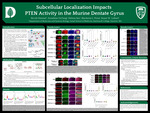
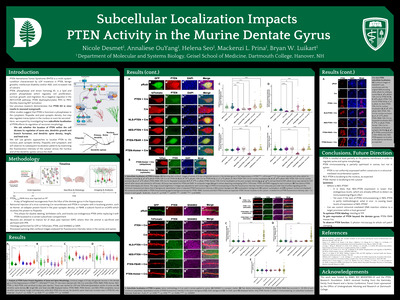
Subcellular localization impacts PTEN activity in the murine dentate gyrus
2023
Nicole Desmet, Annaliese OuYang, Helena Seo, Mackenzi L. Prina, and Bryan W. Luikart
One out of 36 children is diagnosed annually with Autism Spectrum Disorder in the United States. Loss of function mutations in PTEN characterize PTEN Hamartoma Tumor Syndrome, a multi-system group of syndromes associated with increased risk of Autism Spectrum Disorder and increased risk of breast, thyroid, and renal cancer. One possibility to support development of targeted therapies for those with PTEN mutations is to better understand the mechanisms within commonly mutated pathways. In this study, we examine subcellular localization of PTEN and how it may affect the neuronal morphology of cells. Mechanistically, PTEN dephosphorylates PIP3 to PIP2,thereby lowering downstream AKT activation and downregulating the mTOR complexes in the P13K / AKT / mTOR pathway in the cytosol, post-synaptic density, and cytoskeleton. Within the nucleus, PTEN functions as transcriptional regulator of p53 and various checkpoints in the cell cycle, operating independently of its phosphatase activity. The P13K / AKT / mTOR pathway is largely implicated in the growth and division of cells and is highly conserved in healthy cells to regulate neuronal soma size and other growth characteristics. As demonstrated by our lab’s previous research, loss of PTEN as a negative regulator of the P13K / AKT / mTOR pathway results in increased soma size and dendritic branching in hippocampal granule neurons. This work will expand on previous research which demonstrates in mice that PTEN knockout results in neuronal overgrowth by investigating how the subcellular localization of PTEN affects its regulation of neuronal morphology via retroviral-mediated recombination of four PTEN fusion proteins (NES-PTEN, NLS-PTEN, PTEN-FBAR, and PTEN-Homer) in order to achieve spatial control over PTEN.
PTEN subcellular localization was measured using PTEN fluorescence intensity ratios in various subcellular compartments relative to other subcellular compartments and the background. In this thesis, we demonstrate success at optimizing PTEN immunostaining methodology in somas for all constructs except for PTEN-FBAR and show that PTEN-Homer and NLS-PTEN have respectively localized PTEN to the cytosol and the nucleus. Only PTEN-Homer out of all four fusion proteins achieved detectable PTEN immunostaining greater than background in dendrites and spines. Because control PTEN over-expression could not be detected above background in dendrites we were unable to determine if subcellular localization of PTEN in dendrites and spines was altered by our fusion proteins. In addition, we uncovered unexpected PTEN immunostaining in NES-PTEN mimicking that of PTEN knockout while maintaining a wildtype (WT) morphology. This poster will ponder these conclusions and brainstorm the next steps in examining other techniques for subcellular localization of PTEN.
-
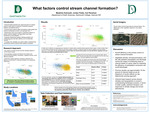
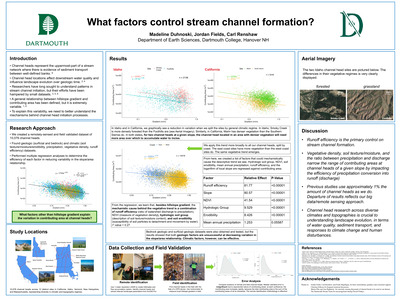
What Factors Control Stream Channel Formation?
2023
Madeline Duhnoski, Jordan Fields, and Carl Renshaw
-
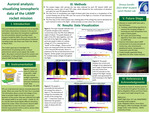
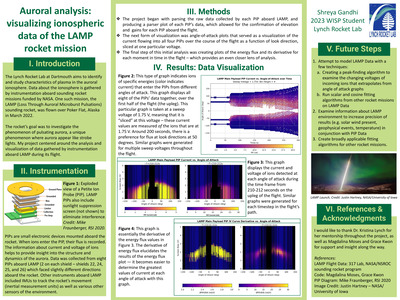
Auroral Analysis: Visualizing Ionospheric Data Of The LAMP Rocket Mission
2023
Shreya Gandhi
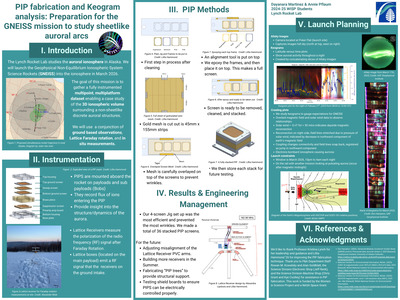
The Lynch Rocket Lab at Dartmouth aims to identify and study characteristics of plasma in the auroral ionosphere. Data about the ionosphere is gathered by instrumentation aboard sounding rocket missions funded by NASA. One such mission, the LAMP (Loss Through Auroral Microburst Pulsations) sounding rocket, was flown over Poker Flat, Alaska in March 2022. The rocket’s goal was to investigate the phenomenon of pulsating aurora, a unique phenomenon where aurora appear like strobe lights. My project centered around the analysis and visualization of data gathered by instrumentation aboard LAMP during its flight.
-
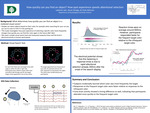
How Quickly Can You Find an Object? How Past Experience Speeds Attentional Selection
2023
Lakshmi K. Jain, Kevin Ortego, and Viola Störmer
-

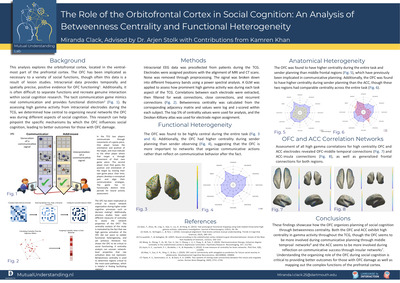
Exploring high-order network dynamics in brains and stock markets
2023
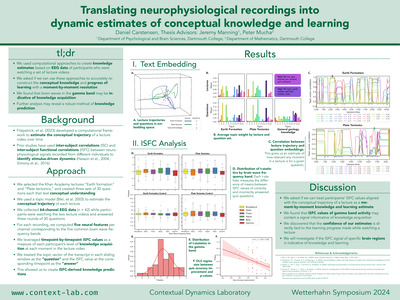
Kunal Jha, Daniel L. Carstensen, Ansh Patel, and Jeremy R. Manning
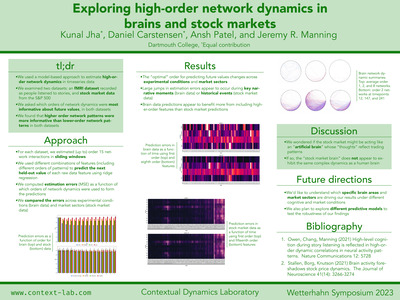
Human cognition is fundamentally a network phenomenon: our thoughts, sense of self, and our other brain functions reflect coordinated interactions between our brain’s constituent cells and systems. These interactions change over time alongside our experiences, goals, and internally driven thoughts. Whereas early work on neural decoding attempted to infer internal representations by considering univariate (single region) or multivariate (patterns of regions) activity patterns, later studies have treated patterns of network interactions as a core unit of neural representation and computation. The field has also started to consider the potential role of higher order network interactions. If two regions, A and B, adjust their interactions over time in response to ongoing task demands, and two other regions, C and D, also adjust their interactions over time, second order interactions denote potential associations between the A-B interactions and C-D interactions. In the general case, order n interactions reflect associations between networks of order n - 1 interactions. In a recent study, our team found that meaningful high-order interactions between brain networks spontaneously emerge during deep cognitive processing, and they spontaneously dissociate during less demanding or focused cognition. Here we wondered if other sorts of networks might show a similar pattern. We applied a model of high-order network dynamics to a financial dataset comprising historical stock quotes from the S&P 500. We estimated which orders of interactions were most reflective of the “true” system dynamics by using different sets of features (made of network patterns at different orders) to predict future states of the market. We compared how informative different orders of interactions in financial data were at predicting future states of the S&P 500 to how informative different orders of brain interactions were in different experimental conditions in a neuroscientific dataset. We found that, like biological brains, financial markets appear to contain meaningful high-order interactions that change over time with market conditions, important historical events, and so on.
-
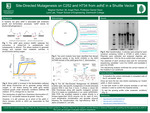
Site-directed mutagenesis on C252 and H734 from adhE in a shuttle vector
2023
Meghan Kerfoot, Angel Pech, and Daniel Olson
-
Hanover Underground: Mapping the Subsurface of Dartmouth's Campus
2023
Grace E. Mendolia and Sophie Lewis
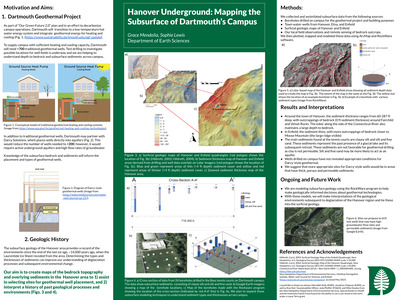
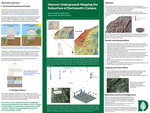
My project involved mapping the sediments of Dartmouth's campus in order to determine the best locations for efficient geothermal drilling as well as to better understand the glacial history of Hanover.